
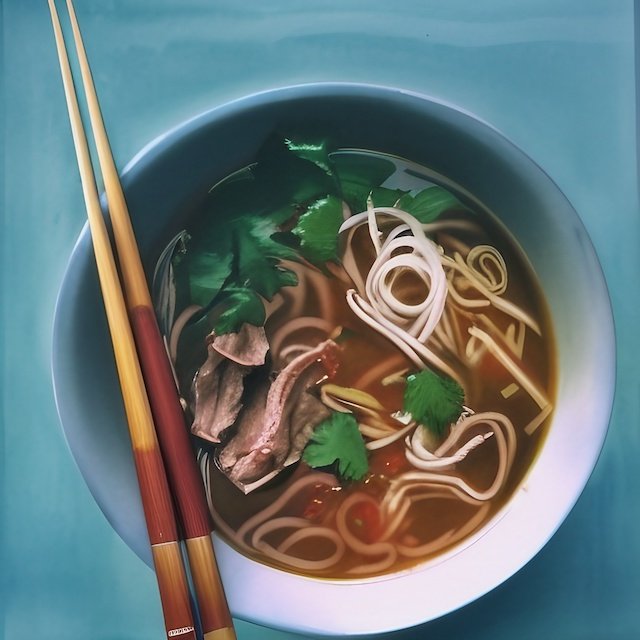
Finding street food in Vietnam is an adventure in itself! Bun cha Hanoi, banh cuon, banh tet and cafe trung are the street food in Vietnam that the locals eat, most of us have never heard of these delightful meals. This guide is here to help you enjoy authentic street food in Vietnam based on our experiences while living in the country.
If you have eaten proper street food in Vietnam, your mouth is already watering with the thoughts of bun cha Hanoi or banh cuon! Street food in Vietnam is largely safe to eat, cheaply priced and most of all, delicious. It's something you can only experience by venturing out of the tourist areas and into the alleyways (Ngo) and street corners. Only in these areas will you find authentic street food in Vietnam.
This guide to authentic street food in Vietnam like bun chai Hanoi is based on our experiences while living in the country. If you have any additional street food in Vietnam to eat, please comment below.
Price of street food in Vietnam
The price of food in Vietnam is super low for the Western traveller. In Australia, the going rate for a bun bowl is about AUD 15, for the same food in Vietnam will cost you AUD 3. Why the low price of food in Vietnam? We don’t know for sure, but after living here for a few months, we gather food regulation is one reason. The street food carts is a clear indication of no food regulation in this country. I know what you’re thinking, is the food safe? For the most part, yes.
There seem to be more good things with little regulation than bad. The cost of doing food business here seems very low, which means anyone can open up shop and start making an income and keeping the price of food in Vietnam low. We found many street food vendors are family run business; the smaller ones operate outside of their home and work around the family schedule, making just lunch.
Speaking of lunch, here’s a list of the price of food in Vietnam with the amount in VND and AUD. For our US friends, you are paying less in USD!
What street food to eat in Vietnam
Besides pho and banh mi, I asked myself, what to eat in Vietnam? We just walked around and tried a few things; standing awkwardly at the street stall and stare until someone said something to us which was usually, “What to eat” in Vietnam jibber jabber. Don’t want to stand awkwardly in front of a shopkeeper? Here’s our list of what to eat in Vietnam. We’ve included Vietnamese names (with accents) and English labels so you can recognize them when you’re exploring.
Nem ran (nem rán), spring rolls
Okay, I know spring rolls are in every Asian country, but I have to say Vietnamese nem ran the best! Each street food vendor does their version of nem ran slightly different. There are a few commonly used ingredients when making nem ran - glass noodles, mushrooms, meat mince, garlic and onions. These ingredients are then wrapped in a rice paper rolls and slowly fried until golden brown.
Grab in Vietnam
We’ve been using Grab app the most throughout our travels; it is convenient to have the app already downloaded and set up on our phone. Moreover, recently we started tapping into Grab Rewards Points, a loyalty program that rewards you for every transaction made through the app. Continuing to use the app lets us collect Grab Rewards Points which can be redeemed for all kinds of things from bubble tea to discounts on clothing.
Goviet vs Grab in Vietnam
Goviet is the Vietnam version of Gojek based in Indonesia. Similar to Grab in Vietnam you can have food delivered to you however setting up Goviet on your phone will require a local phone number which is the same with its sister app, Gojek. Josh wrote more on setting up GoJek here. A friend of mine uses the vietnammm.com app for home delivery. As a Westerner, sometimes you need a break from oodles of noodles and this app provides a variety of cuisines so that you can enjoy a night of pizza delivery, just like home! The best part, the app’s default language, is English.
Conclusion
The beautiful thing about eating in Vietnam is food. We learned that much of the food is fresh daily, only suitable for consuming within a few days. Because of this, you’ll find food here is preservative-free and delightfully healthy for you. If there is one thing we’d caution, some street vendors use MSG (monosodium glutamate) which is a flavour enhancer. You may not be able to see the difference, but you will taste the difference - a sharpness hitting all the savoury sensors in your mouth, giving you the first impression, this is delicious. Well, it tastes delicious, but it can give some people really bad side effects, like me, which were swelling in my joints, a bit of nausea and mild headaches. The last tip is on language. Each of those accent marks has a purpose and learning a little bit of the language goes a long way and can save from cultural embarrassment. Read more here for my language class experience and five phrases to know when travelling through Vietnam.